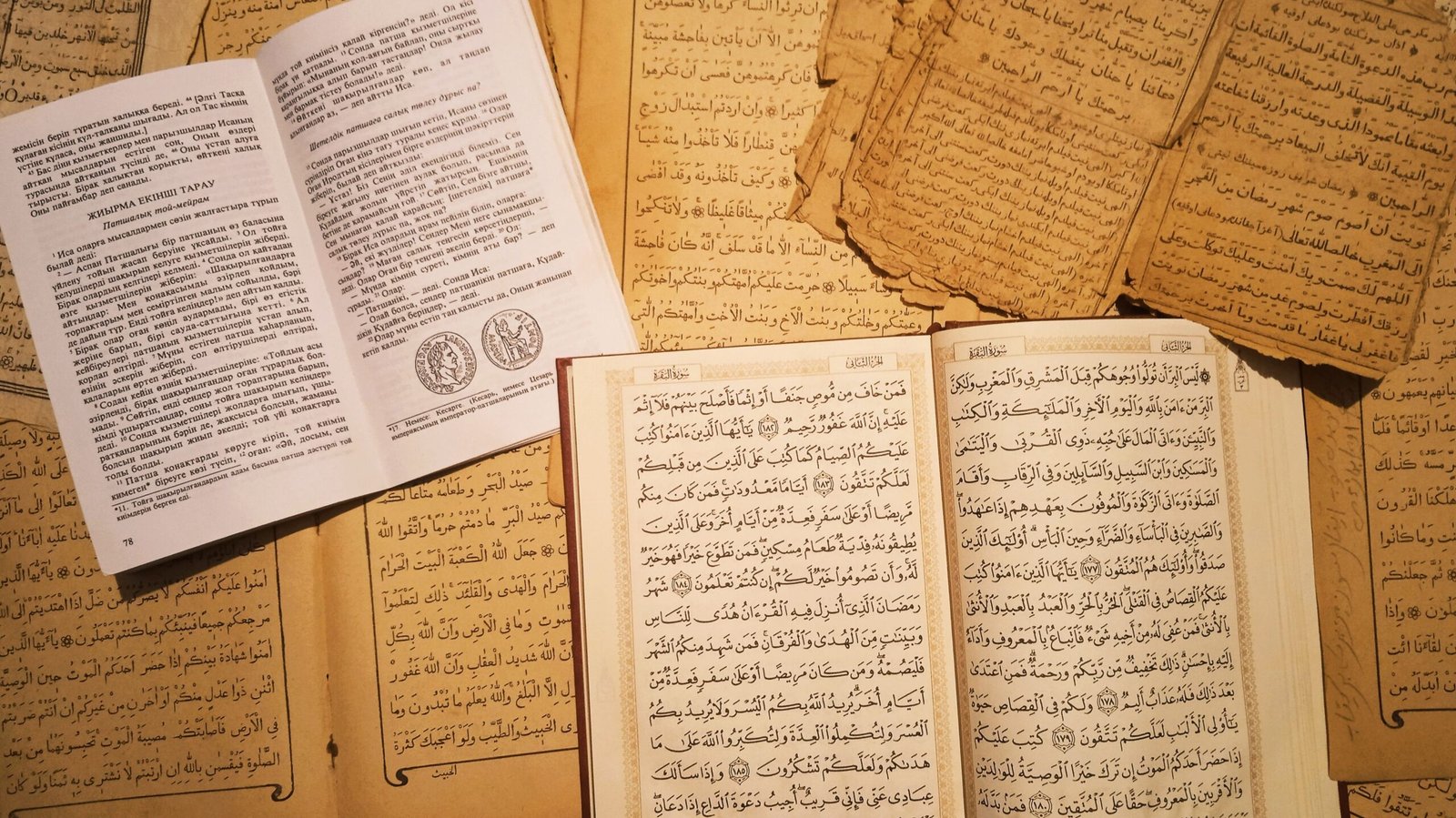
The Quran and Our Responsibilities as Muslims The Quran is more than a book we recite. It is the guidance Allah ﷻ has given us to help us understand our purpose, strengthen our relationship with Him, and live our lives in the right way. As Muslims, our relationship with the Quran comes with responsibilities. 1. To Recite the Quran One of our responsibilities is to regularly recite the Quran with care and respect. Even if we can only read a few verses each day, consistency helps us keep the words of Allah close to our hearts. 2. To Understand Its Message The Quran was revealed as guidance. We should make an effort to understand its meanings and reflect upon what Allah ﷻ is teaching us. Reading the Quran should not only move our lips—it should also touch our hearts. 3. To Act Upon Its Teachings Learning the Quran is only the beginning. Its guidance should be reflected in our character, our speech, our relationships, and the choices we make every day. The Quran teaches us honesty, patience, kindness, justice, forgiveness, and obedience to Allah ﷻ. 4. To Teach and Share Its Guidance The knowledge of the Quran is a blessing, and sharing beneficial knowledge with others is a beautiful responsibility. Parents can introduce their children to the Quran, teachers can guide their students, and every Muslim can encourage others towards goodness. 5. To Keep the Quran Connected to Our Daily Lives Our goal should not be to read the Quran only on special occasions. We should strive to build a lifelong relationship with it—reciting it, learning it, reflecting upon it, and allowing its guidance to shape who we are. The Quran is a guide for our lives, not simply a book on our shelves. May Allah ﷻ make the Quran the light of our hearts, the guidance of our lives, and a source of goodness for us and our families. Ameen. At Al-Muhsinat Quran Academy, we believe that learning the Quran is not only about reading its words, but about building a meaningful relationship with the Book of Allah.